Why “once in a century” keeps happening
Oct 21, 2026
Written by José Miguel Varela - Regional Director LatAm - Advanta Global Services
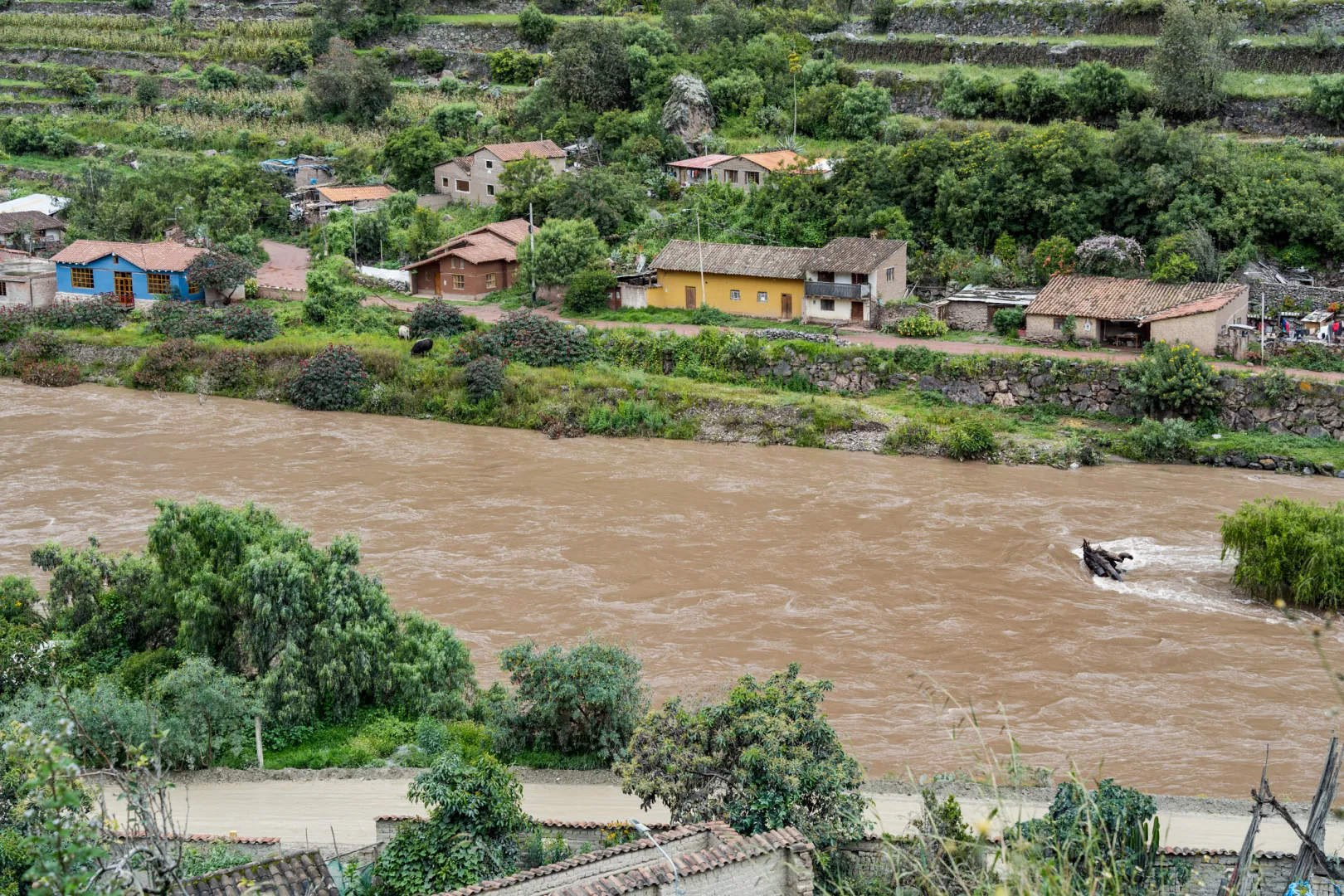
In May 2024, Lake Guaíba in Porto Alegre rose to 5.33 metres, well above the 4.76-metre record set in the great flood of 1941. That flood had stood as the benchmark for more than eighty years. This time, the water passed five metres in just five days, against the 22 days it took in 1941. Perhaps most telling of all: of the five largest floods ever recorded in Porto Alegre, three happened in the nine months up to May 2024. For the people of Rio Grande do Sul, “once in a century” had turned into something closer to once a season.
None of this means the statistics were wrong. Researchers estimate that the rainfall behind the 2024 floods was rare even by today’s standards, with a return period of more than 100 years. They also found that, with around 1.2°C of global warming, events like it have become roughly twice as likely and about 12% more intense. The numbers hold up. It’s the phrase that does a poor job of explaining them.
A dice roll, not a timetable
Think of a 1-in-100-year event as rolling a hundred-sided die every January. Land on one number, and that’s your flood. The die has no memory. Rolling that number last year doesn’t make it any less likely to come up this year.
Roll it often enough and the odds soon stop looking small. Over the 30-year life of a typical mortgage, there’s roughly a one-in-four chance of at least one such event. Over 50 years, the working life of a decent commercial building, it’s nearer 40%. Framed that way, “rare” starts to sound rather less comforting.
And the die is being re-weighted
The bigger issue is that, for weather perils, the die itself is changing. Return periods are built on the past, on the assumption that tomorrow’s odds will look like yesterday’s. That’s becoming harder to justify. Billion-dollar convective storms were 59% more frequent in the five years to 2025 than in the five years before. Rainfall once rated as a 100-year event may now be closer to a 25-year one.
Not everything is shifting. Earthquakes, like the pair that struck Venezuela in June, keep to geological time. But for flood, storm, heat and wildfire, a figure calculated even ten years ago may already be flattering the risk.
The danger of a quiet year
Which brings us to 2026. On the face of it, a benign year: first-half insured losses of around $46 billion, well under the ten-year average, and an Atlantic season so subdued that the first hurricane didn’t arrive until October. Reinsurance pricing has softened accordingly.
Yet US convective storm losses have passed $35 billion for the fourth year running, and Venezuela’s earthquakes left some $37 billion of economic damage with barely $1 billion insured. A quiet claims year is precisely when it’s tempting to trim limits, stretch assumptions and assume the worst is behind us. The die doesn’t care.
What it looks like on the ground
From a loss adjuster’s point of view, the real cost of these events isn’t captured by a return period at all. When “rare” events arrive close together, the same towns are dealing with damp walls from the last flood when the next one hits. Contractors are already stretched, and policyholders may still be waiting on the previous claim. Recovery takes longer and so do the claims.
Across EMEA, LATAM and the GCC, Advanta’s teams see it again and again: the places that believe they’ve “had their big one” are usually the least ready for the next. A return period can tell you how often to expect trouble. It can’t tell you when, and it was never meant to.