Managing residential tower fire claims in the UAE
Oct 06, 2026
In high-rise fires, the decisions taken in the first weeks of a claim often determine its cost and its outcome.
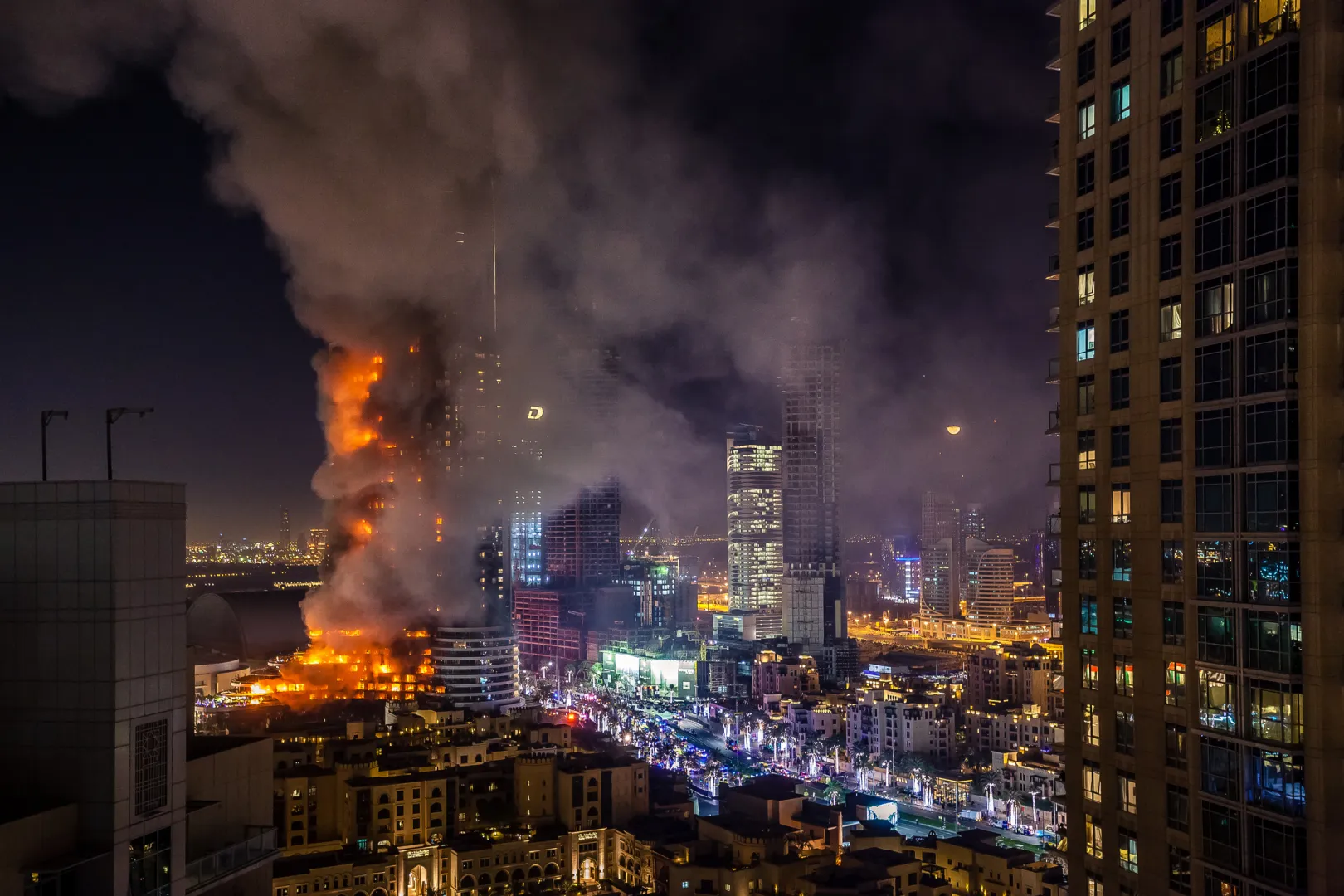
The UAE is home to hundreds of low and high-rise residential buildings, including some of the tallest in the world. Fires in high-rise residential buildings have occurred repeatedly across the UAE over the past decade. Most have thankfully resulted in no loss of life, but they are almost always complex, costly and slow to resolve. Fire safety standards have tightened considerably over the same period, yet a significant number of older buildings were designed and clad to earlier standards, and that legacy continues to shape how claims are handled today.
Identifying the key claims issues early gives the adjuster the platform to manage stakeholders' expectations, and it is the foundation of a successful resolution. In our experience, those issues tend to fall into a few recurring areas.
Keeping the building in use
The cost of alternative accommodation can form a significant proportion of the insured claim. A single block may house hundreds of occupants, and if a building cannot be reoccupied, rehousing costs can accumulate for months or even years, potentially exceeding the cost of the physical repairs themselves. The first question for the adjuster is therefore whether, and how, the building can remain habitable.
Isolating the damaged areas and redirecting or reinstating electrical, water and other essential services can allow a substantial part of the building to stay occupied while repairs are carried out. This can materially reduce the overall cost of the claim, but only if it is assessed at the outset, in close coordination with engineers and the authorities.
Cladding and the cost of compliance
The severity of many past tower fires was partly due to the type of cladding used on the façade. Regulations have since been tightened, but the changes were not retrospective, so many existing buildings still contain materials that would not be permitted today. Replacing unsafe cladding in full can be very costly.
When a fire occurs, damaged cladding must generally be replaced with materials that comply with current regulations. This can result in betterment that may not be covered by the policy, with the additional cost falling to the owners. It is a difficult conversation, so it should be raised as early as possible. Where fire damage has been extensive, owners may also choose to replace undamaged cladding at the same time as the repairs, to improve the fire protection of the whole building. That option is only realistic when the issue is discussed early in the claims process and there is strong stakeholder engagement.
Engaging the right people
Clear communication with the insured, to keep them informed and manage expectations, is vital in any claim. In residential towers it is often more complex, because individual apartments are frequently owned by different people.
Where owners have formed and registered an owners' association or committee, communication and decision-making are far simpler. Where they have not, it may be necessary to communicate with, and obtain agreement from, each owner individually. Understanding the ownership and governance structure as early as possible, and setting up a clear communication process, is a key first step in managing a tower fire claim.
Moein Hani is a Senior Loss Adjuster in Advanta Global’s Dubai office. He is licensed by the UAE Insurance Authority and has more than 25 years’ experience handling a diverse portfolio of claims, which includes numerous tower fires.
For immediate assistance, please contact us: